


The wellbeing of all students is central to the mission of St Columba Anglican School. Research shows that happy and well-connected students are more successful and find schooling more purposeful. St Columba provides students with opportunities that proactively promote relationships, community connection and personal development. The focus at St Columba is the development of the whole child. This involves nurturing their physical, social, emotional, intellectual, and spiritual growth.
Students are supported through the Pastoral Care system, where enhancing relationships between staff and students is integral. Staff also assist in anti-bullying initiatives, informal counselling and referral to formal counselling and ancillary health agencies, mentoring, grief and loss programs and various positive behavioural development programs. On-site counselling is available through referral by the Wellbeing team of Year Patrons in Secondary and the Pastoral Care team in Primary.
Our School is committed to fostering a nurturing environment through diverse programs that emphasise social-emotional learning, guiding students towards holistic development and lifelong success. We strive for all members of our community to be positive and productive contributors to our school, the land and society.
St Columba has a comprehensive pastoral care system in place to care for every student's individual needs from Kindergarten through to Year 12.
Our pastoral care objectives are to:
The Wellbeing Team is led by the Dean of Students 7 - 12 and the Primary Director of Wellbeing in the Primary School.
All students are supported through classroom teachers, Year Patrons, Heads of House and Wellbeing teachers. Their role includes identifying students who need support and evaluating options to assist individuals, groups, and cohorts. This can include social skills programs, referrals to Learning Support, or seeking assistance from the school psychologist or external agencies. Families are a part of the collaborative planning process when additional adjustments and interventions are required.
Parents are welcome to phone or make an appointment to discuss their concerns about their child with their child’s Year Patron (Secondary) or Classroom Teacher (Primary), who will serve as the initial point of contact.
Wellbeing time is a half-hour session held twice a week for students from Kindergarten to Year 12.
In Primary School, all children have wellbeing sessions throughout the week as part of their learning in the Personal Development, Health and Physical Education program.
In Secondary School wellbeing sessions occur twice a week. During this time, various activities will take place, covering aspects of the Social and Emotional Learning (SEL) curriculum and interactive activities that enable students to learn how to manage their wellbeing while connecting, relating, and positively interacting with others.
Tutors use this time to build rapport with students and strengthen group cohesion. The program covers topics such as digital citizenship, relationship-building, communication, time management, study skills, cyber safety, resilience, gratitude, empathy, and conflict resolution for younger students. As students advance, they explore identity, moral development, safe partying, drug education, career planning, and global issues. The program is adaptable to meet evolving needs.
The School organises a variety of activities, including camps, retreats, leadership days, commercial productions, and guest speakers to promote a well-rounded development for each year group. Additionally, Wellbeing Time includes cross-grade activities that encourage interaction between Primary and Secondary students, fostering peer support, leadership, mentoring, and connections.
St Columba has an extensive camps program that commences in Year 1 with a Late Night at School experience, continues through Primary School, including outdoor education camps at purpose-built sites, culminating in a tour of Canberra in Year 6.
In Secondary School, our camp programs offer students a valuable opportunity to build resilience, foster teamwork, and develop leadership skills in an outdoor setting. Through a range of challenging and fun activities, students step outside their comfort zones, form stronger bonds with their peers, and enhance their personal growth. Each camp experience encourages independence, confidence, and problem-solving, all while creating lasting memories and strengthening the school community. Year 10 students attend work experience, gaining firsthand insight into the professional world and developing practical skills that prepare them for future career paths.
Wellness Week provides students with an opportunity to focus on health and wellbeing through engaging school-wide activities.
Senior students also receive regular mentoring and learning conversations with staff mentors to support their academic, social, physical, and emotional development.
In Primary School, each term has a wellbeing theme that promotes practices of inclusion, kindness, gratitude, and personal growth. This underpins the approach to engaging in wellbeing activities and learning for all students. Through the Primary Personal Development, Health and Physical Education Program, students participate in learning experiences that develop and deepen their Social and Emotional Learning (SEL) skills.
The Primary Behaviours for Learning reinforce students' expectations to show Care, Citizenship, and Excellence in their conduct and interactions with others.
All students are placed in a House and join with fellow House members from Kindergarten to Year 6 to build a sense of identity and belonging across age groups as they compete in various sporting events throughout the year. House points are awarded in the classroom and beyond to recognise students who exemplify the school values. These points accumulate, and the outstanding House of the week is acknowledged at weekly assemblies.
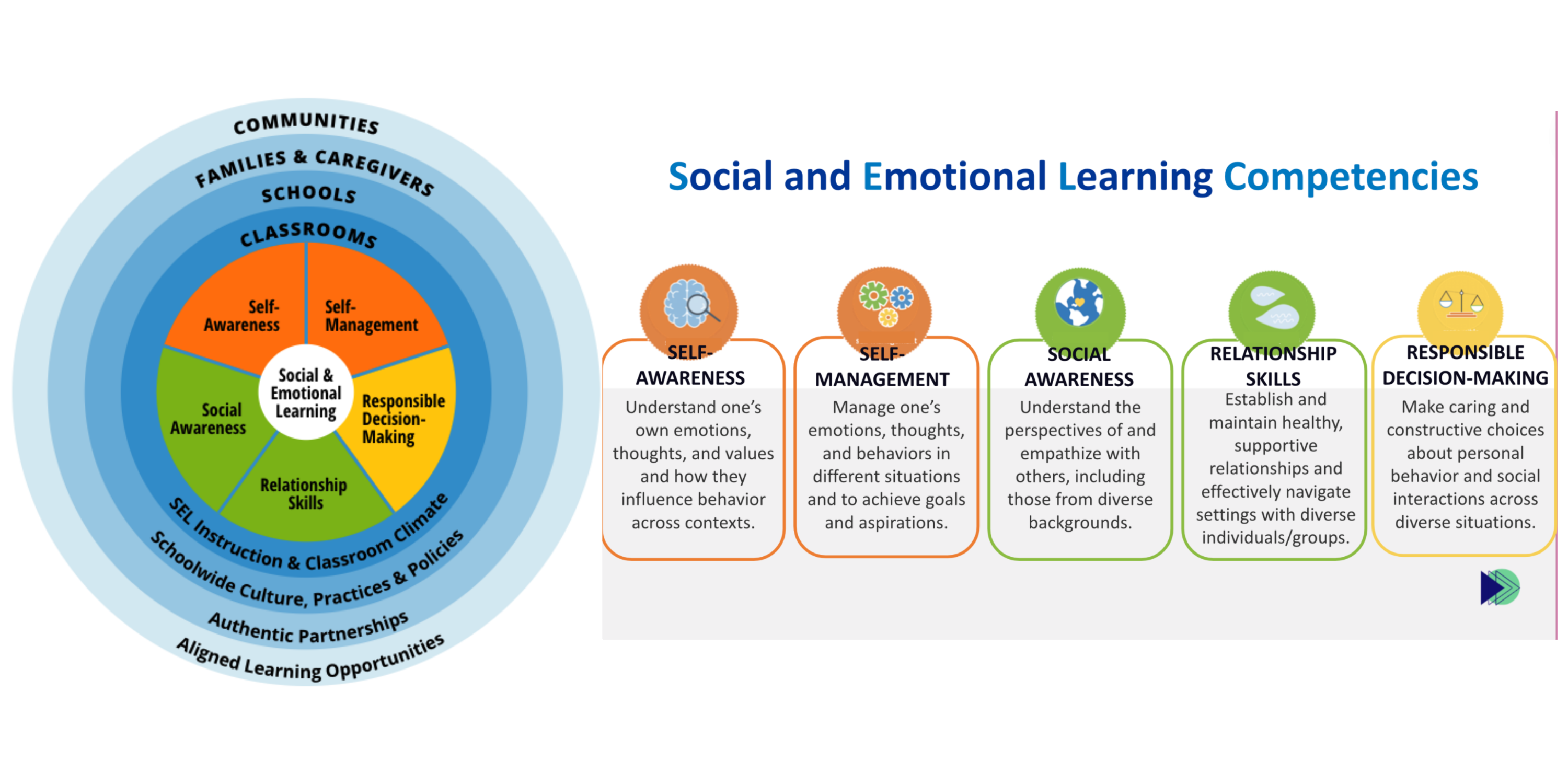
In Secondary School we proactively strive to enhance the academic, social, physical, emotional and spiritual wellbeing of each student through our Wellbeing Framework. The scope and sequence followed during Wellbeing time complements our Personal Development, Health and Physical Education curriculum and targets social and emotional learning (SEL). This is a learning process through which all young people acquire and apply the knowledge, skills and attitudes to develop healthy identities, manage emotions and achieve personal and collective goals, feel and show empathy for others, establish and maintain supportive relationships, and make responsible and caring decisions (CASEL).
Key components include:
Students have the opportunity to participate in a peer support program, mentoring younger students. In the Secondary School, this takes place with Year 7 and 11. In the Primary School, a Buddies program pairs all classes to facilitate cross-age mentoring and support, building relationships between children of different ages.
On occasion, cross-school activities are planned during Wellbeing Time to allow interaction between Primary and Secondary students, fostering opportunities for peer support, leadership, learning groups, mentoring, and connections. Columba Companions is an example of such a mentoring relationship, as our Year 11 students buddy with our Year 3 students several times each term.
The underlying premise of our programs from K–12 is based on the CASEL Social and Emotional Learning Framework.
These key aspects of wellbeing underpin the culture of the school. They are supported through the Wellbeing program, where enhancing relationships amongst staff and students is integral. Staff are supported by our School Psychologist when working with students with specific wellbeing needs.
Wellbeing time is prioritised at St Columba, with all students engaging in wellbeing activities as part of their regular school experience. Our programs cover aspects of the Social and Emotional Learning curriculum and include interactive activities that help students learn to manage their wellbeing whilst connecting, relating, and positively interacting with others.
For further details on the aspects associated with Social and Emotional Learning, please see the CASEL website
 Related Topics